

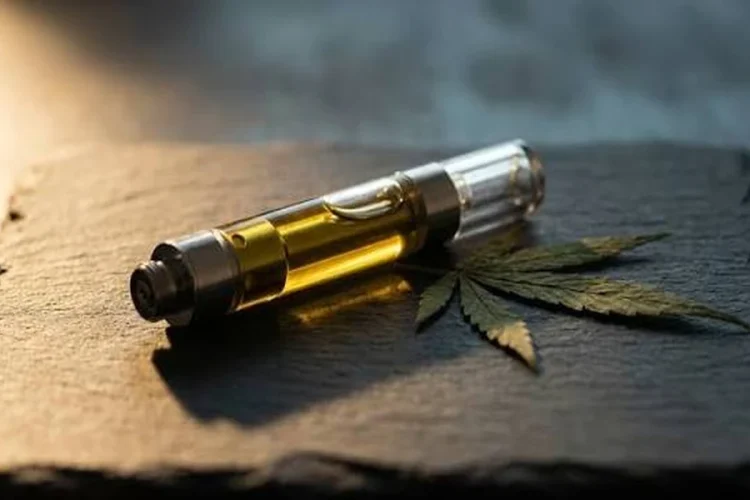
A vape COA contains more data than the potency figure most buyers look at and close. Each section of the document tests for something different, and each one carries information relevant to product quality and safety that the label itself does not convey. Exhale Wellness THC vape pens carry third-party COAs that cover cannabinoid content, residual solvents, heavy metals, and terpene composition. Reading all four sections produces a complete assessment. Stopping at potency produces a partial one.
Cannabinoid potency numbers
THC and THCA appear as separate figures on a vape oil COA because they are chemically distinct. THCA is the acidic precursor. THC is the active form produced when THCA is heated. Total THC is a calculated number derived from applying a standard decarboxylation conversion to the raw THCA figure, and it represents active cannabinoid content more accurately than either individual figure alone.
Minor cannabinoids appear in the same panel when present above the laboratory reporting threshold. CBD, CBN, CBG, and CBC each contribute to the broader compound profile of the oil. Two cartridges carrying identical total THC figures can show different minor cannabinoid compositions depending on the source material and extraction method, and that difference affects the overall character of the session in ways the primary potency figure does not capture.
Residual solvent results
Solvent-based extraction processes introduce chemical compounds into the oil that must be removed before the product reaches safe consumption levels. Residual solvent testing checks for those compounds against established action limits.
- Butane, propane, ethanol, and various hydrocarbon compounds are among the most commonly screened solvents across cannabis and hemp extract testing panels.
- Results are reported in parts per million and compared against maximum allowable concentrations set by the testing standard applied.
- A passing result confirms levels fall below action limits rather than confirming the complete absence of the tested compounds.
- Cartridges produced from solventless extracts such as rosin return non-detectable results across the residual solvent panel, reflecting the absence of chemical solvents in the production process.
Heavy metal limits
Lead, cadmium, arsenic, and mercury are the four metals most commonly screened in vape product testing. Contamination sources vary. Agricultural soil introduces metals into plant material during cultivation. Extraction equipment contributes to the processing stage. Cartridge hardware itself, particularly low-quality metal components, introduces contamination at the product level independently of the oil inside.
COAs that test the oil and the hardware separately provide more complete data than those that test the oil alone. Metal content from cartridge components is a distinct contamination pathway from what the source material carries, and both require separate assessment for the COA to be considered comprehensive. Results are reported in micrograms per gram against action limits set by the applicable testing standard.
Terpene profile data
Not all vape COAs include terpene testing, but those that do provide information about flavour character and compound composition that the potency panel does not cover. Individual terpenes are listed with their own percentage figures. Myrcene, limonene, caryophyllene, linalool, and pinene are among the most frequently detected across hemp derived vape oil profiles.
A naturally preserved terpene profile from live resin or similar full spectrum extraction shows a broader range of compounds at lower individual concentrations. Reintroduced terpene blends in distillate based products tend toward a narrower selection at higher concentrations per compound. The two profiles are distinguishable on a terpene panel without requiring any additional context from the manufacturer.
Reading all four sections of a vape COA rather than stopping at potency is the difference between knowing what a cartridge contains and assuming it based on label claims alone.