

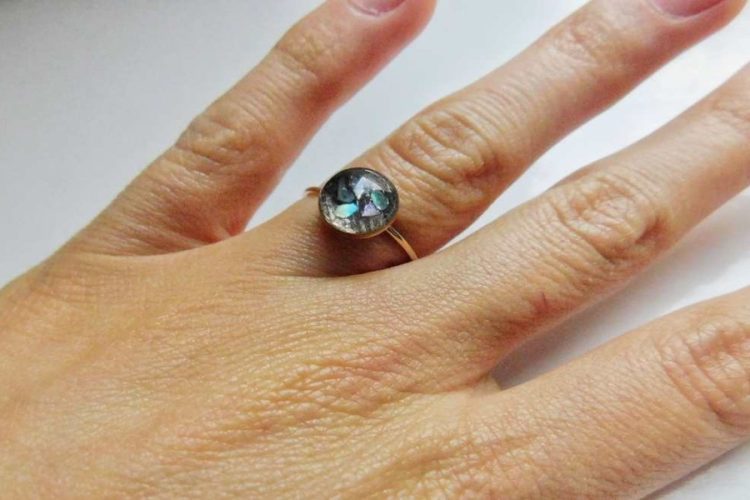
Here’s a question that may make you pause: what is the most personal way to keep a loved one close after they’re gone? For many people today, the answer lies in cremation rings, a discreet and meaningful way to carry remembrance into everyday life. These pieces of jewelry combine emotional significance with wearable design, offering a unique way to honor someone special.
In this guide, you’ll gain a clear understanding of what cremation jewelry is, explore different design options, compare materials such as resin and stone, and learn how to care for your piece while making an informed purchase. Along the way, you’ll encounter helpful concepts-like the difference between a sealed compartment and a resin inlay, making it easier to decide what works best for your lifestyle and personal connection.
Understanding Cremation Jewelry and Its Meaning
Cremation jewelry is designed to hold a small, symbolic portion of ashes, allowing you to keep a physical connection to a loved one. Unlike traditional memorials, these items are worn daily, blending remembrance with personal expression.
Cremation rings, in particular, have become increasingly popular because they are both subtle and practical. They can look like any other piece of jewelry while carrying deep emotional value. The idea is not to store all remains, but rather a small portion-just enough to create a lasting, personal keepsake.
This type of jewelry reflects a shift in how people approach remembrance, moving toward more intimate and individualized forms of memorialization.
Design Options: How Ashes Are Incorporated
When people first hear about cremation rings, a common question arises: are the ashes actually inside the ring? The answer depends on the design. There are three primary methods used to incorporate ashes into a ring, each offering a different balance of visibility, durability, and meaning.
Sealed compartments function like miniature urns built into the ring. These designs include a hidden chamber, often secured with a screw closure. They are ideal for those who prefer a clearly defined container, though they may require occasional checks to ensure the seal remains secure.
Resin inlays mix ashes with a clear or colored resin, creating a visible design within the ring. This approach allows for artistic expression, with patterns that resemble soft, flowing textures or abstract landscapes. It offers a more visual connection to the memorial element.
Under-stone settings place ashes beneath a protective stone or within a specially crafted surface. This design offers a high level of protection and privacy, as the ashes are not directly visible. It combines durability with a refined aesthetic.
Each of these methods uses only a small amount of ashes, emphasizing symbolism rather than quantity. Choosing between them depends on how visible you want the memorial to be and how the ring fits into your daily life.
Resin vs. Stone: Choosing the Right Material
One of the most important considerations when selecting a cremation ring is whether it can be worn daily. This largely depends on the materials used and how they respond to everyday conditions.
Resin inlays are visually appealing and allow for creative designs, but they can be more sensitive to wear. Over time, exposure to sunlight, water, or chemicals may cause scratches or discoloration. Some resins include UV protection, which helps reduce these effects, but they still require mindful care.
Stone-based designs, whether natural or lab-created, are generally more durable. They offer greater resistance to scratches and environmental exposure, making them better suited for individuals with active lifestyles or hands-on professions.
Features such as recessed settings-where the memorial element sits slightly below the surface-can further protect the design from damage. Ultimately, choosing the right material involves balancing aesthetics with practicality and understanding how the ring will be used day to day.
Understanding Costs and What Influences Pricing
The cost of a cremation ring can vary widely, and it’s important to understand what factors contribute to the price. You are not just purchasing a piece of jewelry; you are investing in craftsmanship, materials, and specialized services.
The type of metal plays a significant role. Options range from more affordable materials to higher-end choices that offer durability and long-term value. The complexity of the design also affects cost. Simpler designs with standard compartments may be more budget-friendly, while custom pieces or intricate inlays often require more labor and skill.
Another key factor is aftercare. Quality craftsmanship often includes services such as resizing or refinishing, which can extend the life of the ring. Since only a small portion of ashes is used, many people also consider how the rest will be preserved, often combining a primary memorial with smaller keepsakes.
Understanding pricing in advance helps ensure that your choice aligns with both your emotional needs and financial expectations.
Care, Sizing, and Choosing a Reliable Maker
Caring for a cremation ring is essential to preserving both its appearance and its meaning. Cleaning should be done gently, using mild soap and water. Harsh chemicals or ultrasonic cleaners can damage certain materials, particularly resin or composite elements.
Sizing is another important consideration. Over time, factors such as temperature and physical changes can affect how a ring fits. It’s important to confirm whether resizing is possible and whether it might impact the design or internal components.
Some rings include closures or compartments that rely on secure sealing methods. Understanding how these are maintained can help prevent issues over time. Protective design features, such as bezel settings, can also add durability by shielding the memorial element.
Choosing the right maker is just as important as selecting the ring itself. Look for clear communication, detailed explanations, and transparent policies. A reliable professional should be able to answer questions about materials, construction, and long-term care without hesitation.
Final Thoughts: Making a Meaningful and Practical Choice
Selecting a cremation ring is a deeply personal decision that combines emotional significance with practical considerations. The right choice depends on how you want to remember your loved one, how the ring fits into your daily life, and the level of care you are prepared to provide.
There are three key points to keep in mind. First, choose a design that reflects both your personal connection and your lifestyle. Second, understand the durability of the materials and how they will hold up over time. Third, work with someone who provides clear and honest information about every aspect of the process.
Before making a final decision, consider your daily habits and ask how the ring will perform under real-life conditions. This simple step can help ensure that your choice remains both meaningful and practical for years to come.
Cremation jewelry offers a unique way to carry memory forward-quietly, personally, and always close at hand.