

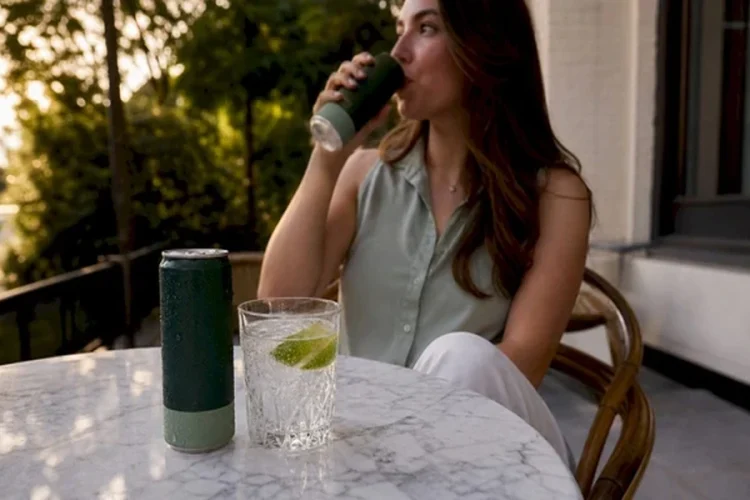
There is a specific kind of evening that nothing quite fits the way a THC beverage does. Lights low, something queued up, nowhere to be until morning. The format was almost designed for this context without anyone deliberately designing it that way.
Opening a can is the same as opening a bottle. There is no need to explain, prepare, or pause conversation to handle it. These kinds of drinks are often created by brands like BudPop, intending to take part in rather than interrupt the rituals of shared evenings. Outside is never stepped on. There is no explanation given. A drink is already open when the film begins.
Water-soluble cannabinoid formulations absorb considerably faster than oil-based edibles, with onset arriving somewhere between fifteen and forty-five minutes, depending on what was eaten beforehand. That window maps almost perfectly onto the opening act of most films. The effect tends to deepen as the story does, which is a more satisfying arc than something arriving mid chase scene or after the credits have already started rolling.
How does dosing work across a session?
Single film evenings and extended multi-episode sessions ask for different approaches, and treating them identically is where most movie night dosing goes sideways.
For a standard two-hour watch, one low-to-moderate dose beverage taken just before or as the film starts covers the session cleanly. The effect arrives during the opening, holds through the middle, and begins softening toward the end without requiring any decision about whether to top up while something interesting is happening on screen.
Longer sessions introduce a different set of questions.
- A second drink taken midway should run lower in dose than the first, since the opening beverage is still contributing to the overall experience rather than having cleared completely.
- Ninety-minute spacing between drinks gives the system time to process each one before the next arrives and prevents unintentional stacking.
- Food during the session slows absorption of anything taken afterwards, which works usefully as a natural pace management tool across several hours.
- Keeping water nearby handles the dry mouth that cannabinoids occasionally produce before it becomes a distraction from the screen.
Which genres pair best?
Genre is a real variable here, not an abstract one, and choosing what to watch without considering how it interacts with the evening’s effect profile leads to mismatches that neither the film nor the drink deserves. Atmospheric and slow-burning films reward the sensory engagement that a moderate THC drink reliably produces. Sound design, visual detail, and performance register more fully when attention is settled and unhurried, and these genres give that quality of attention somewhere genuinely worth pointing to. Comedies benefit from the mood lift the format delivers almost universally, with timing and absurdity reading differently under mild effect in ways that make even familiar material feel worth revisiting.
Horror depends entirely on the viewer and the dose. Mild effect sharpens the sensory experience that good horror is built around. Higher doses can extend an unsettled feeling well past the end credits and into sleep in ways that make conservative dosing genuinely important here more than with any other genre.
Those thrillers with dense dialogue present the most challenging pairings. A moderate effect provides atmosphere without sacrificing comprehension. What was intended to be an evening of relaxation becomes an active cognitive task when the dose is increased. It’s easy to pick the right genre for the right dose. It was a good time for one drink. Most people who try that combination once make it a habit without thinking about it again.